

This website uses cookies so that we can provide you with the best user experience possible. Cookie information is stored in your browser and performs functions such as recognising you when you return to our website and helping our team to understand which sections of the website you find most interesting and useful.

Workshop: The Politics of Models – Bias, Representation & Transparency in Generative Models
August 25 - August 27
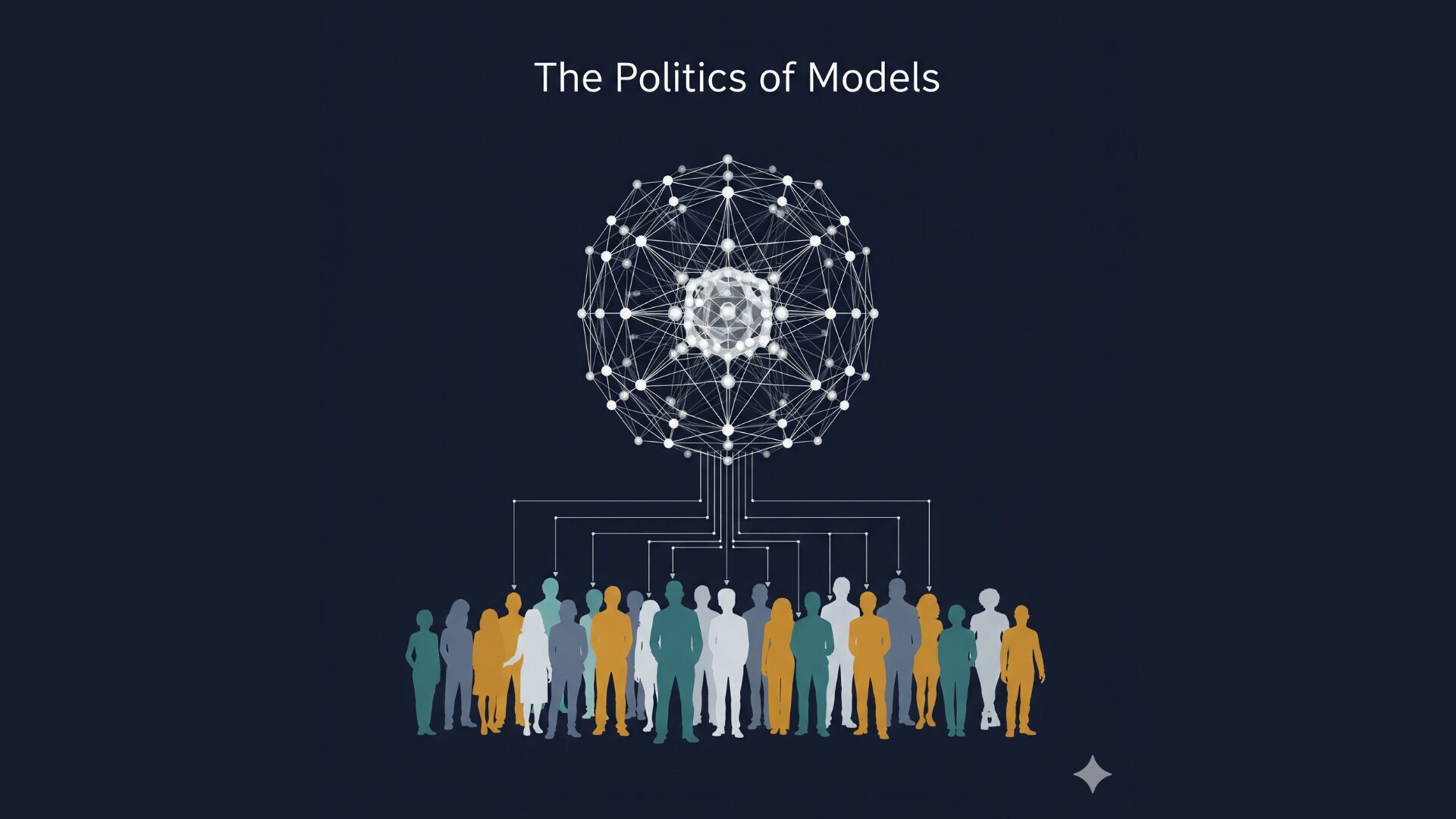
Generative models can capture an abstract representation of various modalities such as sound, images, video, text, and data. These models are now globally utilized for knowledge and content organization and synthesis. The generative AI models are integrated rapidly into research, industry, culture, and the public sectors; where the accelerated growth hinders the considerations into societal implications of these rapid advancements. These models are new forms of knowledge representation, in which the technical choices such as applied ontology or categorizations as well as the data sources and gathering processes, influence, imply, and afford new forms of power and control on representation, history, culture, and knowledge associations. Addressing these issues requires both technical advancement and research as well as societal grounding, awareness in positionality, and critical engagements. This workshop creates a shared space for WASP and WASP-HS researchers with the goal to build interdisciplinary research directions to influence a better and healthier societal integration of generative AI.
Topics
Representation & Bias
Analysis of representation and bias in generative models across modalities – sound, images, video, text, and data.
Power & Control
Understanding the new forms of power and control enabled through generative AI over representation, history, and culture.
Transparency & Accountability
Building frameworks for transparent and accountable deployment of generative models in research and society.
Societal Alignment
Aligning technical solutions with societal expectations, needs, and values for a healthier integration of AI.
Schedule
August 25: Arrival & Opening
Welcome lunch, introductory sessions, and evening reception at Rånäs Slott. From lunch onwards
August 26: Full Day of Sessions
Keynotes, interdisciplinary panels, collaborative workshops, and research discussions. Full day
August 27: Closing & Departure
Final sessions, synthesis of ideas, future directions, and farewell lunch. Ends with lunch
Expression of interest
Apply by April 17 to secure your spot. This workshop is open to researchers from both WASP and WASP-HS communities interested in the intersection of generative AI and societal implications.
Spots are limited to 20 participants so make sure to fill in the Expression of Interest-form to get a chance to attend. Apply here.
Organizers
Kivanç Tatar, Chalmers University of Technology
Kathlén Kohn, KTH Royal Institute of Technology
Md Fahim Sikder, Linköping University
Francis Lee, Södertörn University
Bodil Formark, Södertörn University