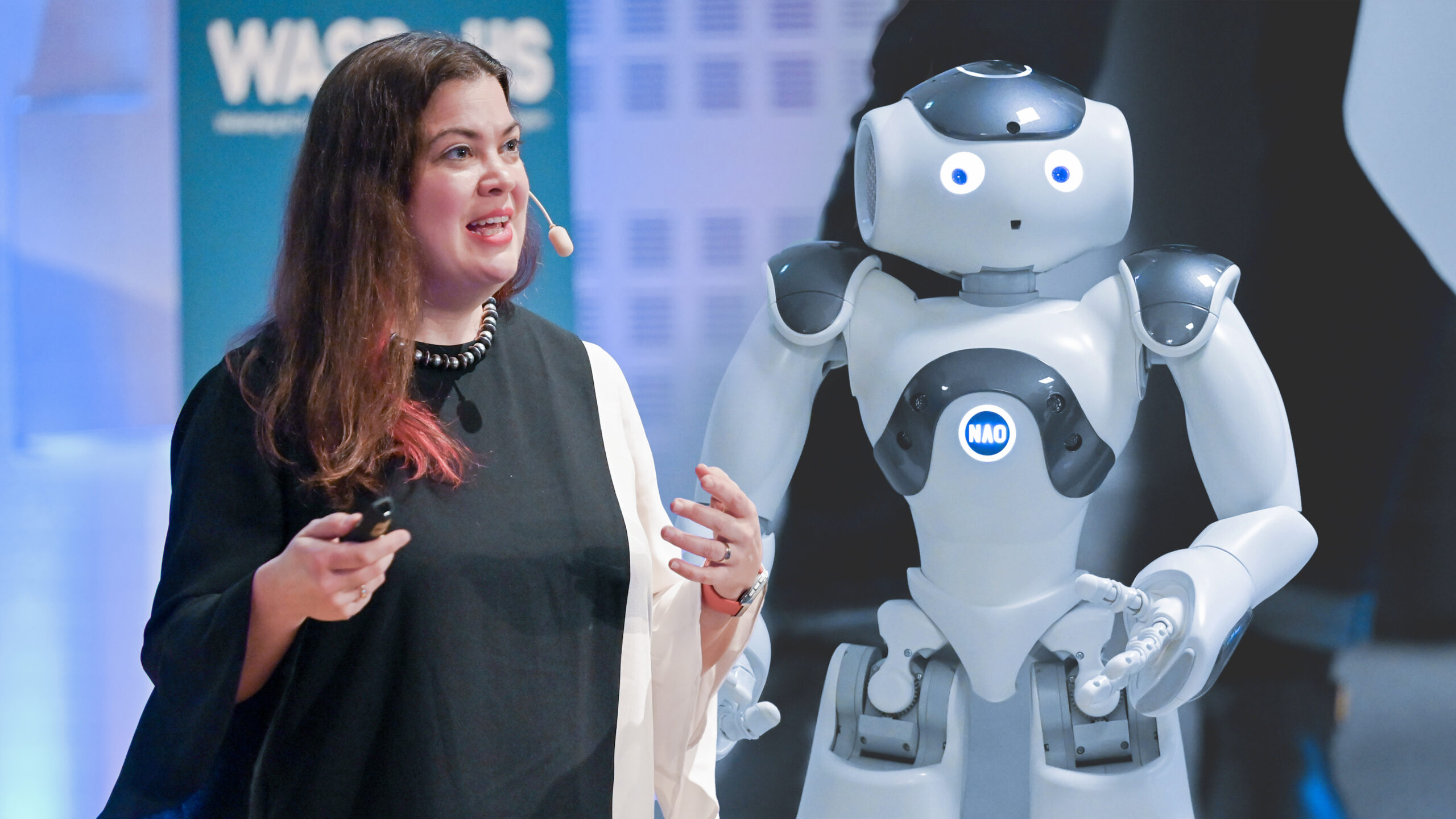
How do we want our world with robots to look? From healthcare and education to social relationships and societal values, robots are impacting the world we live in. These were the main themes of the WASP-HS conference AI for Humanity and Society 2026.
This year’s WASP-HS conference AI for Humanity and Society was focused on circumstances to consider as robots are entering our daily lives.
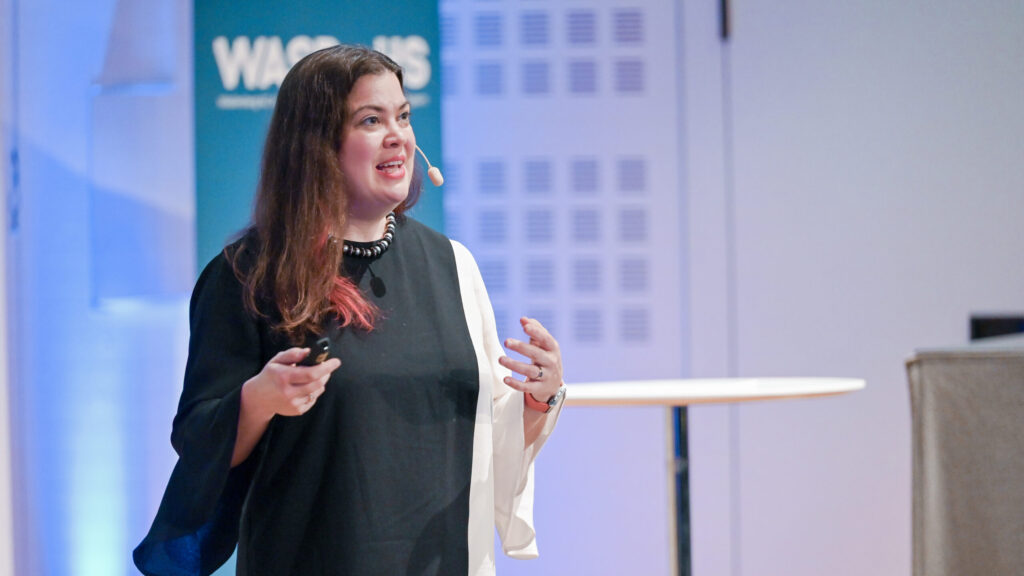
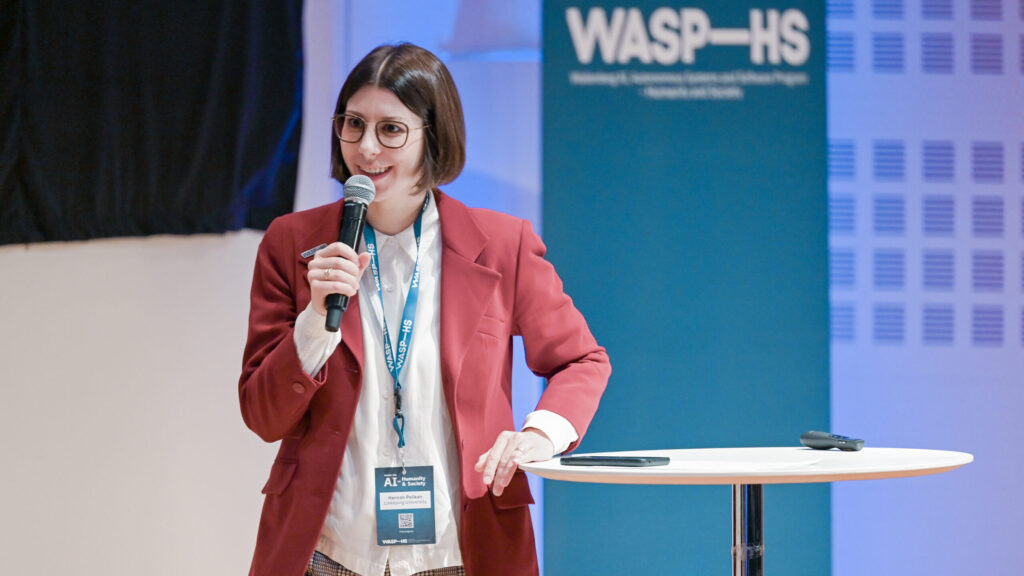
“Robots raise new questions about autonomy and agency in relationships with individuals. They bring forward societal concerns about power, care, safety, and responsibility,” says Hannah Pelikan, Assistant Professor in Culture and Society at Linköping University, and one of the scientific leaders of the conference.
Robots as Team Members
As robots enter our lives, they are not simply machines acting in the background. Robots are also entering our organizations.
“Robots are always a part of a team. It’s not only about deciding what the robot will do. It’s about deciding what kind of organizational environment we want to work in alongside a robot,” says Janet Vertesi, Associate Professor at Princeton University and Associate Director of the Keller Center for Innovation in Engineering Education.
Having conducted two decades worth of ethnographic work at NASA, Janet Vertesi highlights the importance of augmentation rather than replacement.
“We cannot think just about the problem that must be solved, we want to think about what the right mix is between what the machines can do and what humans can do. It not a replacement game, it’s an augmentation game,” says Janet Vertesi.
Introducing robots as team members requires effort, however.
“Every time we introduce new technology, the work roles change. We need to practice working alongside robots before we can understand their, and our, roles completely,” says Jessica Lindblom, Associate Professor in Human-Computer Interaction at Uppsala University.
This understanding of roles is also related to understanding and trusting what robots can and cannot do.
“Trust is essential to working alongside robots. Taking the time out of one’s day-to-day duties and allowing yourself to try new things will build that trust over time,” says Marcus Vilhelmsson, Head of Fire & Rescue Section, Swedish Civil Defence (MCF) and Resilience Agency.
Robots in Proximity to Humans
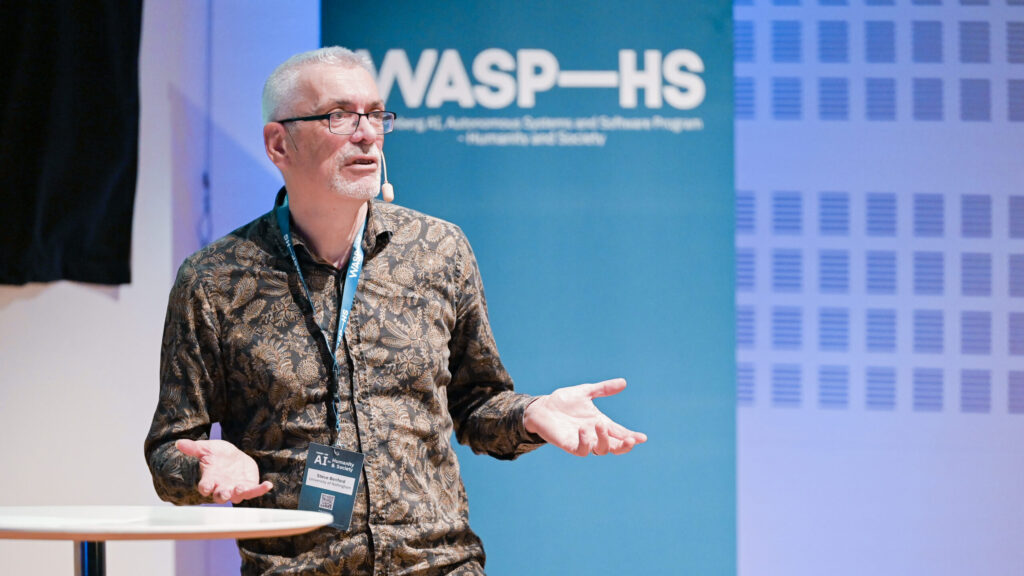
“If you really want to embody AI, you need to think about what other people’s somatic experience of it is,” says Steve Benford, Dunford Professor of Computer Science, University of Nottingham and UKRI Turing AI World Leading Research Fellow.
“When it comes to robots acting in the physical space then there are aspects of physical privacy, for example how close we get to each other. We have developed certain norms which the robots should also oblige to,” says Martin Ebers, WASP-HS Guest Professor.
One example to take into consideration is touch, which is a fundamental part of understanding human bodies, emotions, and communication.
“Robots often struggle to make themselves understood, so we must make sense for them. They also struggle to make sense of what we are doing, especially in respect to touch. Can we design things that can grasp human understanding of touch?” say Emily Hofstetter, Associate Professor in Language and Culture at Linköping University
There are many aspects to take into consideration not only when humans and robots are sharing constrained rooms but also out on the streets.
“You need to view it from a city perspective, what is important for the municipality? But also, how we collectively want our public spaces to be. Where do problems arise and what kind of infrastructure is suitable for having a lot of robots around?” says Cilli Sobiech, Senior researcher, Swedish National Road and Transport Research Institute.
Humanoid Robots and Assigned Social Roles
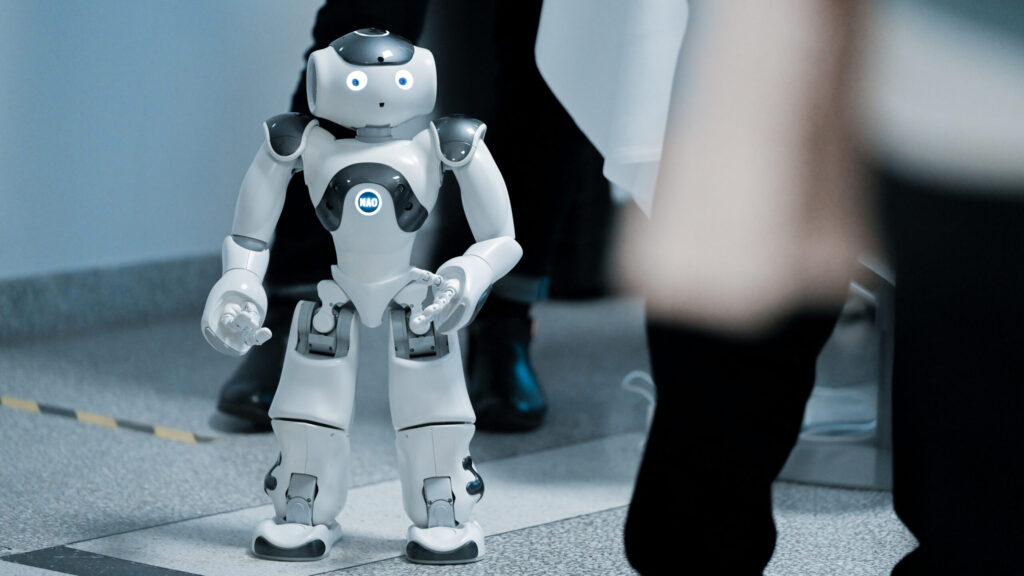
“Human likeness in a robot’s appearance and behaviours can help engaging social interactions between robots and children. Research has also warned us of anthropomorphizing them as there are potential issues of overtrust, attachment, persuasion and even manipulation,” says Ginevra Castellano, Professor of Intelligent Interactive Systems at Uppsala University.
More creative robot designs can also spark imagination.
“When the interaction with a robot is not perfect, it opens up for children to use their imagination,” says Linnéa Stenliden, Professor, Educational Sciences at Linköping University.
Regardless of their design people may have different expectations of the robot in varying social setting. With more people present in a context, more than one role is likely to be assigned to the machine.
“A robot can be assigned different roles within the same context. We must take into consideration that different people will give it different roles in the same room, depending on their own roles,” says Sofia Serholt, Associate Professor, Information Technology at University of Gothenburg.
All Speakers of the Conference
Airi Lampinen, Professor, Human-Computer Interaction, Stockholm University (scientific conference leader)
Ali Reza Majlesi,Associate Professor of Education, Senior Lecturer in Speech and Language Pathology, Karolinska institutet
Barry Brown,Professor, Human-Computer Interaction, University of Copenhagen & Stockholm University
Cilli Sobiech, Swedish National Road and Transport Research Institute
Eduard Fosch-Villaronga, Associate Professor, Law, Robots, and AI, Leiden University
Emily Hofstetter, Associate Professor, Language and Culture, Linköping University
Ginevra Castellano, Professor, Intelligent Interactive Systems, Uppsala University
Hannah Pelikan, Assistant Professor, Culture and Society, Linköping University (scientific conference leader)
Helena Lindgren, Professor, Computer Science, Umeå University
Janet Vertesi, Princeton University and Associate Director of the Keller Center for Innovation in Engineering Education
Jessica Lindblom, Associate Professor, Human-Computer Interaction, Uppsala University
Jesper Tordenlid, Consultant, Autonomous systems, Sylog Systems AB
Juliene Madureira Ferreira, Associate Professor, Education, Tampere University
Linnéa Stenliden, Professor, Educational Sciences, Linköping University
Madeline Balaam, Professor, Interaction Design, KTH Royal Institute of University
Martin Ebers, WASP-HS Guest Professor, IT Law, Örebro University
Marcus Wilhelmsson, Head of Fire & Rescue Section, Swedish Civil Defence and Resilience Agency
Sofia Serholt, Associate Professor, Information Technology, University of Gothenburg
Steve Benford, University of Nottingham And UKRI Turing AI World Leading Research Fellow
Stefan Larsson, Senior lecturer, Associate Professor in Technology and Social Change
Valentina Fantasia, Associate Professor, Cognitive Science and Developmental Psychology, Lund University
More Photos from the Conference