

Media Narratives and the Second-Order Effects of Digital Election Interference – PhD Defense
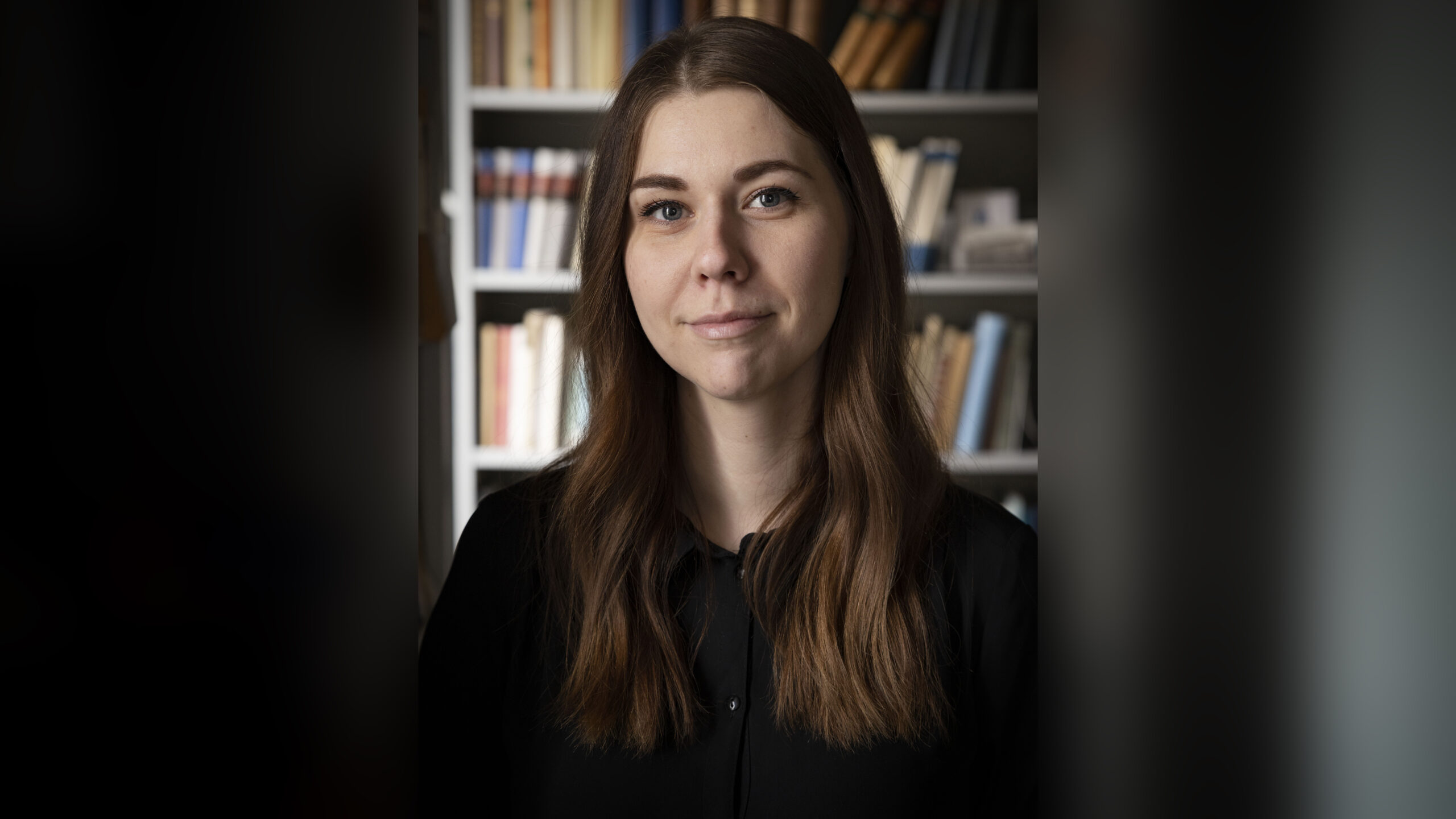
Emelie Karlsson defends her doctoral thesis “Media Narratives and the Second-Order Effects of Digital Election Interference”, at Uppsala University on December 4.
Abstract
Could the narratives surrounding digital election interference shape how citizens relate to democracy? This thesis explores this through two complementary questions: How do news media actors cover the topic of election interference? And how does exposure to such interference allegations influence voters’ political attitudes? These questions are pursued across three empirical studies, all set in the UK. The findings show that, even in the British high-integrity electoral context, interference narratives have appeared regularly in media coverage over the past decades, especially ahead of democratic elections. In this process, media actors act as important agenda-setters that simultaneously reflect and shape public discourse and, in doing so, actively contribute to how the electorate learns and makes sense of election interference and its nature. The thesis further shows that when voters are exposed to allegations of digital election interference, this may give rise to certain second-order effects on voters’ attitudes—irrespective of the allegations’ truthfulness. The most prominent such effect concerns voters’ declining trust in legacy news sources. When news actors cover interference allegations, they may inadvertently undermine confidence in traditional news outlets as an authoritative source of information. Meanwhile, concerns about second-order effects may not always be warranted, and effects vary by the precise attitude under investigation, the presence of partisan cues, and how the framing of the allegation interacts with voters’ identities. Overall, the thesis argues that the democratic implications of digital election interference go beyond direct manipulation. They are also shaped by the public discourse surrounding such events and how agenda-setting actors, like the news media, frame and communicate them. This discourse can shape how voters perceive the health of democracy, regardless of the effectiveness of interference attempts on election outcomes. As such, the thesis contributes to debates on electoral integrity and democratic resilience, while highlighting how communicative efforts to protect democratic institutions may lead to unintended consequences for democratic attitudes.
Supervisors
Alexandra Segerberg, Professor
Carl Öhman, PhD, Docent, Senior Lecturer/Associate Professor
Pär Zetterberg, Professor
Opponent
Henrik Serup Christensen, PD, Docent, Senior University Lecturer