

This website uses cookies so that we can provide you with the best user experience possible. Cookie information is stored in your browser and performs functions such as recognising you when you return to our website and helping our team to understand which sections of the website you find most interesting and useful.

Research Opportunities at the Intersection of Society, Life Sciences, and Technology
May 7 @ 09:00 - May 8 @ 17:00
A Joint Conference between DDLS, WASP and WASP-HS
Uniting Sweden’s life science, machine learning and artificial intelligence communities, we welcome researchers from all disciplines to explore new research opportunities in a changing world.
Participants will have the opportunity to network, be inspired by excellent international keynote speakers, and take part in the latest research in Sweden. In addition to plenary keynotes, the program will offer a panel discussion, a poster session and ample time to mingle.
Practical Details
Dates
May 7-8, 2026
Venue
Uppsala Konsert & Kongress
Keynotes
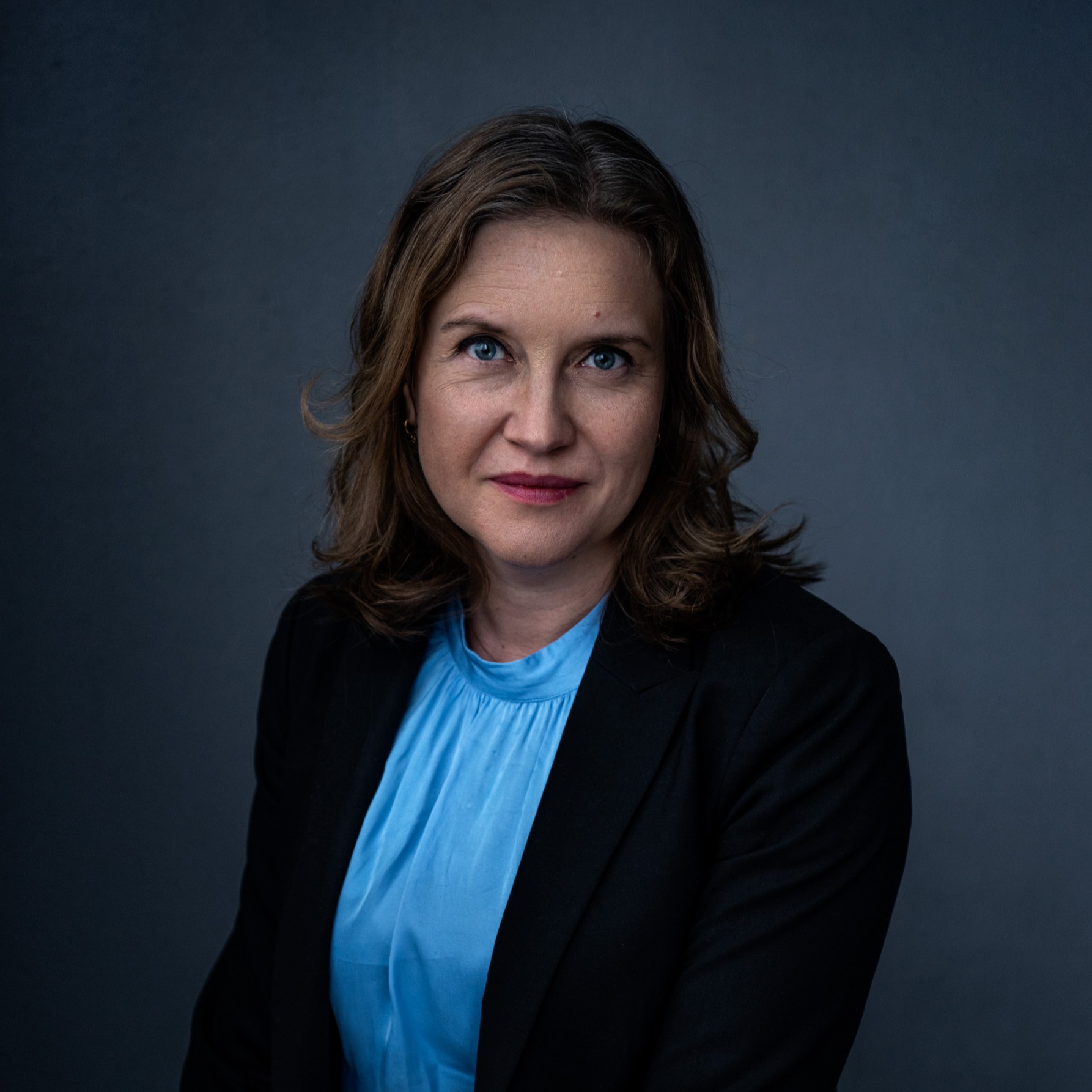
Maja Fjaestad
Adjunct Associate Professor, Department of Computing Science, Umeå University
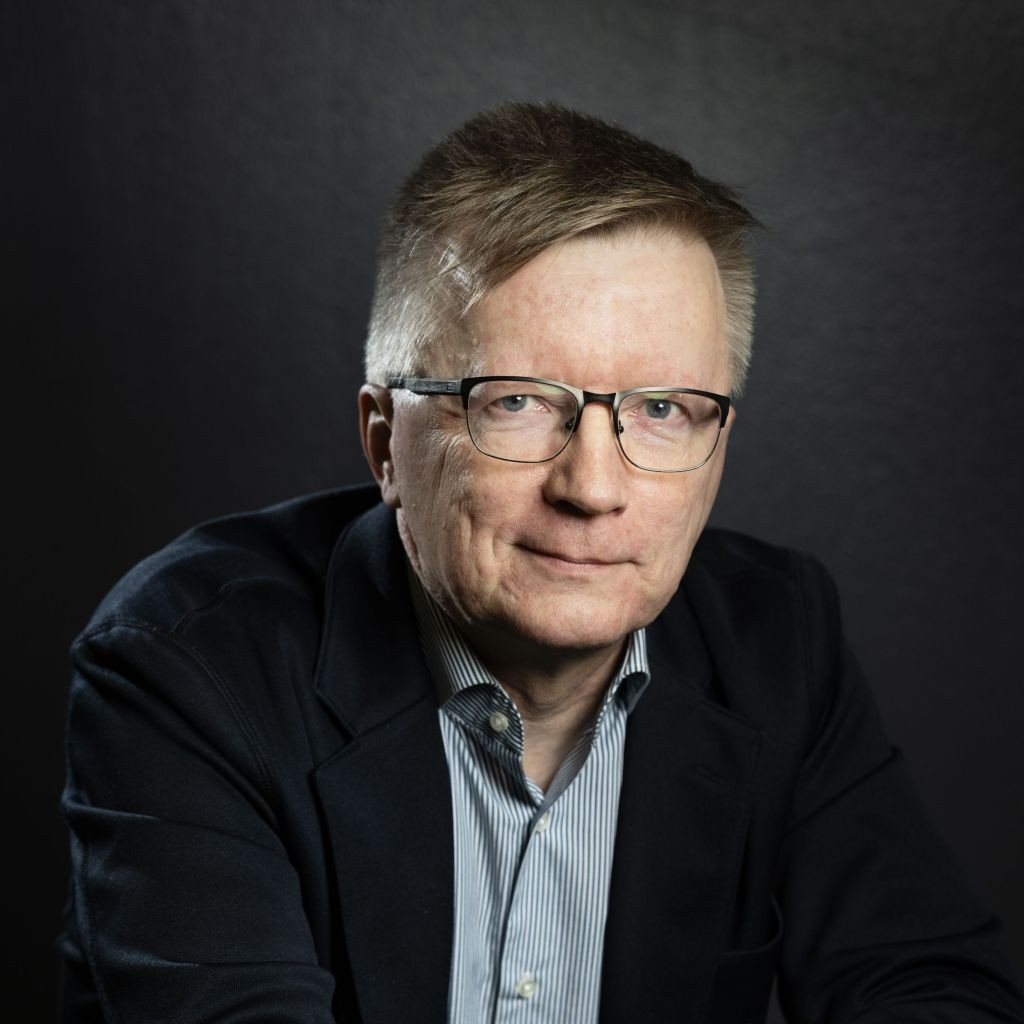
Olli Kallioniemi
Research Director at FIMM University of Helsinki, Professor of Molecular Precision Medicine at Karolinska Institutet and SciLifeLab
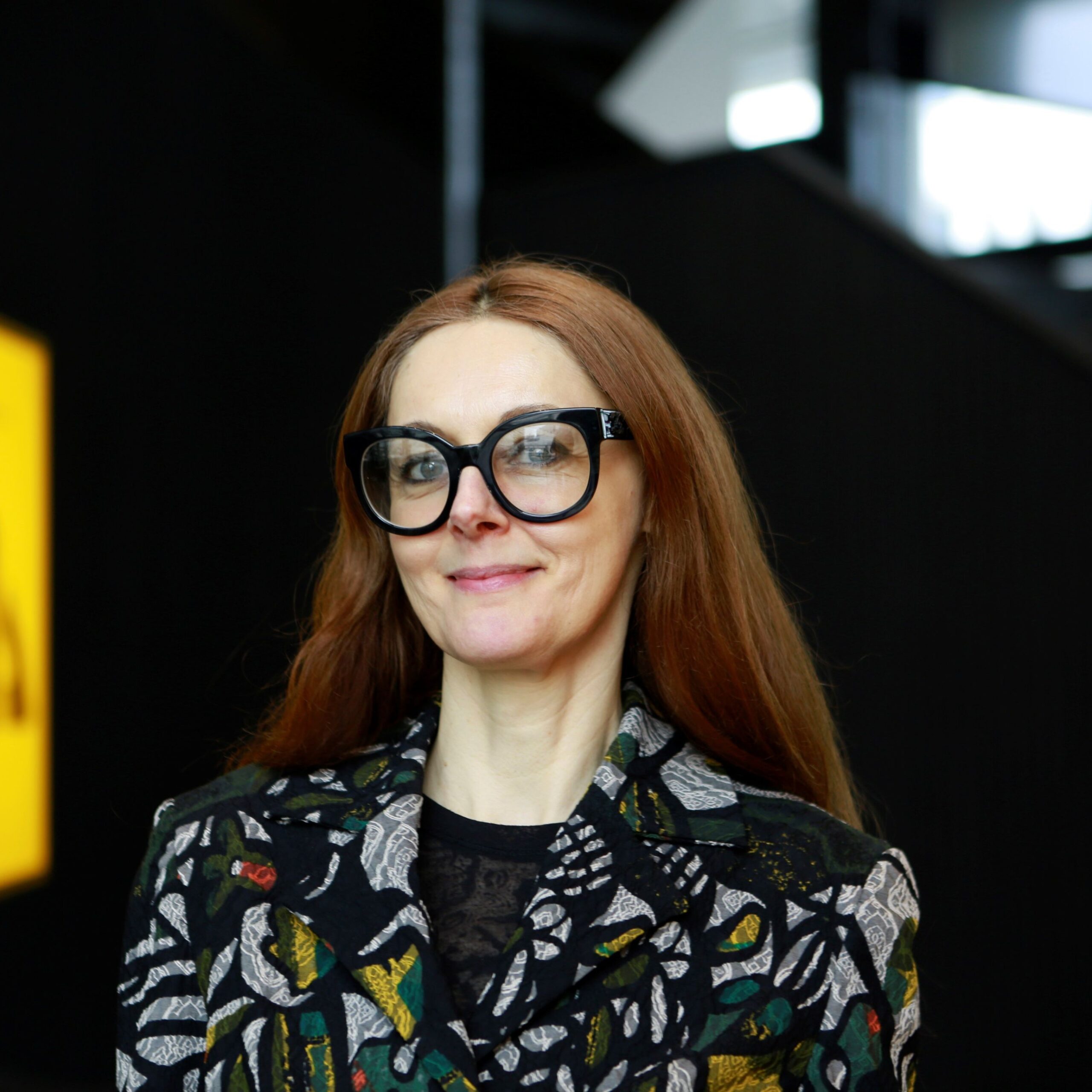
Danica Kragic
Professor at the School of Computer Science and Communication at the Royal Institute of Technology, KTH
Preliminary Conference Program
The program may be subject to change.
Thursday, May 7
09.00 Registration opens (coffee) + poster hanging
10.00 Opening Remarks:
Program Directors from the three Research Programs
10:15-11:00 Keynote “Algorithmic rule: AI and the future of democracy”
Maja Fjaestad, Strategic Advisor to the Executive Leadership at Karolinska Institutet, Adjunct Professor at Luleå University of Technology
11:00-11:30 Flash Talks: Future Ideas at the Intersection of Society, Life Sciences & Technology
PhD Students and Post Docs from the three Research Programs
11:30-12:30 Parallel Workshops, Session 1
12:30-13:45 Lunch
13:45-14:20 Keynote “A plan for the Finnish Health Data Space (FHDS) in the AI era: Navigating health, data, legal, social and political aspects”
Olli Kallioniemi, Research Director at FIMM, University of Helsinki, and Professor of Molecular Precision Medicine at Karolinska Institutet and SciLifeLab
14:20-15:15 Panel: Initiatives in the Nordics
Arto Klami, Professor of Computer Science at University of Helsinki. Part of the Helsinki Probabilistic Machine Learning Lab, the Finnish Center for Artificial Intelligence FCAI, and faculty of the ELLIS Institute Finland.
Stine Lomborg, Professor of Digital Communication at University of Copenhagen, Director of the Interdisciplinary Center for Tracking & Society, Chief Scientist at the Danish national center for AI in society (CAISA)
Malcolm Langford, Professor of Public Law, University of Oslo and Co-Director of TRUST: Norwegian Centre for Trustworthy AI.
16:00-17:00 Parallel Workshops, Session 2
17:00 Mingle food and Poster Session
Registration
Registration is open from 16 March through 16 April.
Friday, May 8
08:30-09:30 Parallel Workshops, Sessions 3
09:40-10:15 Keynote “Perception, Action, Intercation in Physical AI systems”
Danica Kragic, Professor at the School of Computer Science and Communication at the Royal Institute of Technology, KTH
Coffee
10:45-11:45 Flash Talks: Funded Projects NEST & RIG
Time-Resolved Imaging and Multi-Channel Evaluation of Cellular Dynamics (TIMED) – Ola Spjuth, Professor of Pharmaceutical Bioinformatics, Uppsala University
The 3D dynamics of the chromosome – Johan Elf, Professor of Physical Biology, Uppsala University
Multimodal AI-based Precision Diagnostics and Decision Support for Breast Cancer (AID4BC) – Jens Sjölund, WASP Fellow and Assistant Professor in Artificial Intelligence (AI), Uppsala University
AI tools for mental health: Clinical Trials – Sverker Sikström, Professor Cogntive Psychology, Lund University & Axel C Carlsson Associated Professor, Karolinska Institutet
Explainable and Just AI in Data-Driven Disease Surveillance – Yana Litins’ka, Associate Professor, Lund University & Atiye Sadat Hashemi, Associate Postdoctoral Researcher, Lund University
Personalized medicine: Ethics and knowledge-making in data-driven medical prediction – Stefan Larsson, Associate Professor of Technology and Social Change, Lund University & Markus Lingman, Specialist Physician in Cardiology Adjunct Professor Medicine, University of Halmstad & Charlotte Högberg, PhD, Postdoc in Technology and Society, Lund University
11:45-12:00 Closing remarks, lunch to go
Parallel Workshops, Sessions 1-3
Participants will be able to choose one workshop per session during the three parallel workshop blocks. Each workshop has a limited number of seats, and registration is handled on a first‑come, first‑served basis. If a workshop no longer appears in the registration form, it means that it is fully booked. Participants are then welcome to select among the remaining workshops running in the same session.
Parallel Workshops, Session 1
“AI for Science! An interactive discussion on a new initiative”
This workshop aims at creating awareness and collecting feedback around a new initiative to support academic researchers with AI competence through a new company called AI4S AB (AI for Science), funded by Knut and Alice Wallenberg Foundation. We offer AI support to academic researchers with ongoing grants from the three largest Wallenberg Foundations for up to 6 months full time.
Workshop Organizer: Salla Franzén, CEO, AI4S AB
“What is the future of AI-supported precision medicine? Scrutinizing personalized care, equal treatment and disruption of knowledge”
The current development of AI-supported precision medicine, and personalization of medical knowledge and treatment, raises concerns about ethics and fair representation. This interdisciplinary workshop examines questions of ethics and knowledge in AI-supported precision medicine, including fairness, prioritization, and changing knowledge practices. The goal is to produce a discussion paper identifying policy proposals and issues in need of further cross-disciplinary discussion.
Workshop Organizer: Charlotte Högberg, PhD, Postdoc in Technology and Society, Lund University
“Unpacking Technology Through Interdisciplinary Reflection”
In this collaborative and hands-on workshop, we will introduce and lead participants through a series of reflective exercises known as the implosion method. This exercise outlines social and historical considerations around the responsibilities, concerns, and attentions of researchers working on and with technology. Workshop attendees are expected to learn a new method for reflecting on the socio-technical impacts of their research and making connections across disciplines.
Workshop Organizer: Derya Akbaba, Postdoctoral Researcher, Dept. of Computer Science, KTH
“Large Language Models in Conflict: Knowledge, Legitimacy, and AI”
Large language models contribute to the production of knowledge, such as ideas and recommendations. The accuracy and reliability of this knowledge remain questionable. What if these models contribute to the mass killing of people through mass surveillance? We ask: what does LLMs’ production of knowledge reveal about the ethical and legal dimensions of their use, given the untrustworthiness of their outputs? The discussion follows the ‘Jonsered model’
Workshop Organizer: Mais Qandeel, Associate Professor (Docent) of International Law / Law and Technologies, Örebro University
“Zero-Click Futures: Safeguarding Knowledge Pluralism in the Age of Generative AI”
Generative AI is reshaping how knowledge is accessed, synthesized, and trusted. This interactive workshop explores the rise of zero-click information environments and their risks for transparency, diversity, and epistemic justice. Participants will collaboratively design actionable principles for building responsible AI systems that protect knowledge pluralism, informational autonomy, and public trust.
Workshop Organizer: Selcen Ozturkcan, Associate Professor of Business Administration, Linnaeus University
Parallel Workshops, Session 2
“AI-Ready Data to enable collaborations across fields”
Modern machine learning methods open up opportunities for new discoveries, especially when researchers collaborate across fields. For example, a biologist may have collected a novel dataset and collaborate with an ML engineer to build new models. In this session, we will focus on AI-ready data – what it means in practice and how to prepare datasets so they can be shared, understood, and reliably used for AI applications.
Workshop Organizer: SciLifeLab Data Centre: Arnold Kochari, Project manager at Department of Immunology, Genetics and Pathology, Uppsala University
“Foundation models on European biomedical and healthcare data: ethical, legal, and technical pathways to life-course precision health”
This workshop explores how AI foundation models applied to biomedical and health data can enable personalized prevention and healthcare, considering critical questions of governance, transparency, bias, and clinical integration. We will jointly identify current technical, social, and ethical challenges to leverage foundation models for responsible, data‑driven healthcare in Europe and discuss them with an expert panel.
Workshop Organizer: Clemens Wittenbecher, Assistant Professor, Food and Nutrition Science, Life Sciences, Chalmers University of Technology
“Legal consciousness in the tech community”
How do tech professionals navigate law in real-world design choices? This workshop uses practical scenarios and small-group discussions to examine how programmers interpret, use, or resist legal norms alongside technical and organisational expectations. The session invites computer scientists, legal scholars, and social scientists to reflect on tensions, strategies, and pathways toward more legally conscious technology development.
Workshop Organizer: Katalin Kelemen, Associate Professor in Law, Örebro University
“SciLifeLab OMERO: A Collaborative HPC-Enabled Platform for Data-Driven Bioimaging Research”
This workshop introduces SciLifeLab’s national OMERO service – a tool to bridge the gap between data producers and methods developers by enabling collaborative access to (bio)imaging data sets. Built on the globally recognized, open-source, data management platform OMERO1 for the visualization, management, and sharing of biological microscopy images, SciLifeLab OMERO will offer active data storage connected to HPC resources.
Workshop Organizer: Sonja Mathias, Research Software Engineer & Project Lead at SciLifeLab Data Centre
“The Data of Circularity: Governing AI, Transparency, and Compliance in the Digital Product Passport (DPP)”
As the EU introduces the Digital Product Passport (DPP), this interactive workshop explores how product data can enable genuine circularity—beyond data-driven greenwashing—across production, post-production, and market use. Bringing together perspectives from AI, cybersecurity, governance, and sustainable branding, the workshop explores the technical and organizational challenges in building trustworthy, transparent, and compliant product data systems.
Workshop Organizer: Selcen Ozturkcan, Associate Professor of Business Administration, Linnaeus University
Parallel Workshops, Session 3
“What do I need for successful interdisciplinary research? Education as a collaborative exercise”
In this interactive workshop we will discuss what makes successful interdisciplinary research, including trust and leadership, fostering an environment where mistakes can be made, and creating a shared working language. Interdisciplinary groups will then create a mock educational experience on a challenging topic to explore how interdisciplinary collaboration in education can prepare young researchers to face global challenges.
Workshop Organizer: Kristen Schroeder, Scientific Training Officer, SciLifeLab
“Uses and understandings of synthetic data in DDLS domains – a conversation about generation methods and use cases across DDLS, WASP & WASP-HS”
Synthetic data can mean widely varying things, which makes defining and evaluating it difficult. Likewise, it sometimes misaligns with other values, like objectivity, reproducibility and transparency. This workshop will discuss what synthetic data is, why it is useful, and what it does to the science it becomes embedded in. We will engage in hands-on, analogue activities to facilitate collaborative discussion.
Workshop Organizer: Ericka Johnson, Professor in Gender and Society, Linköping University
“The Art of Human-AI Collaboration and Teaming Research”
The art of Human-AI Teaming research is discovering and addressing the complications that matter, which unfold in real practice. New theory, tools and methods are required to capture the rich multi-agent setting including humans. The workshop is an excellent opportunity to expand on this research as a joint effort across expertise in the broad communities of WASP and WASP-HS.
Workshop organizer: Helena Lindgren, Co-Director WASP-HS, Professor in Computer Science, Umeå University
“What Is Adaptation? Bridging Life Sciences, Neuro-AI, and Machine Psychology”
Adaptation is central in biology, neuroscience, psychology, and AI – but often means different things. In this workshop, we compare key definitions and methods, from behavioral change to predictive learning and algorithmic information dynamics. Participants will map shared questions, clarify key research gaps, and identify promising cross-disciplinary directions at the intersection of society, life sciences, and technology.
Workshop Organizer: Robert Johansson, Associate Professor, Stockholm University
“Bridge between Industry and Academia”
The workshop aims to give an introduction to WASP Research Arenas (WARA). Especially for researchers within DDLS and WASP-HS that might not be aware of the WARA. WARA act as a bridge between research and industry and offer increased research impact and potential for industrially significant breakthroughs. A unique opportunity to validate and refine scientific theories in real-world settings that are relevant to industries.
Workshop Organizer: Ola Engkvist, Project Leader WARA Medicine, Adj. member AMG, Executive Director, Head of Molecular AI, Discovery Sciences, R&D, AstraZeneca
Testa Center Demo Day
– Exploring Digital Innovation in Modern Bioproduction
If you’re already in Uppsala for the conference, don’t miss the chance to start your visit with Testa Center’s Demo Day on May 6. This hands‑on event offers researchers a close look at how digital technologies are reshaping modern bioproduction.
When: May 6
Where: Testa Center, Danmarksgatan 11, 75323 Uppsala
Read more and register
Read more about our keynotes, panelists and speakers
Keynote Maja Fjaestad
Title: Adjunct Professor
Dr Maja Fjaestad worked at the EU’s European Artificial Intelligence Office in 2025 and has since returned to Sweden as a strategic advisor at Karolinska Institutet, associate professor at AI Policy lab at Umeå Univerisy and adjunct professor at Luleå University of Technology. She holds a PhD in the history of technology from KTH, has conducted research at the Max Planck Institute, and is affiliated with the Institute for Futures Studies. She is also an expert coordinator at the Centre for Health Crises at Karolinska Institutet, a member of the Royal Swedish Academy of Engineering Sciences (IVA), an author, and a sought-after speaker.
Keynote Olli Kallioniemi
Title: Research Director at FIMM, University of Helsinki, and Professor of Molecular Precision Medicine at Karolinska Institutet and SciLifeLab
Olli Kallioniemi is Research Director at FIMM, University of Helsinki, and Professor of Molecular Precision Medicine at Karolinska Institutet and SciLifeLab. Trained in medicine and clinical chemistry in Finland, he later held tenure-track and tenured positions at NHGRI/NIH. He served as founding Director of FIMM (2007–2015), Director of SciLifeLab (2015–2024), and inaugural Director of the DDLS program (2022–2025). His research focuses on AI- and data-driven precision medicine, particularly in hematologic and prostate cancers. He has authored over 420 publications, holds more than 20 patents, supervised 27 doctoral theses and over 30 postdoctoral fellows. He is an elected member of EMBO, the Royal Swedish Academy of Sciences, the European Academy of Cancer Sciences, and the Nobel Assembly.
Keynote Danica Kragic
Title: Professor KTH Royal Institute of Technology
Danica Kragic is a Professor of Computer Science at KTH. Her research is in the area of robotics, computer vision and machine learning. She received ERC Starting Grant, Advanced and Synergy Grants, Distinguished Professor Grant from the Swedish research Council and she is a Wallenberg Scholar.
Panelist Arto Klami
Title: Professor of Computer Science
Arto Klami is a Professor of Computer Science at University of Helsinki, Finland. He is part of the Helsinki Probabilistic Machine Learning Lab, the Finnish Center for Artificial Intelligence FCAI, and faculty of the ELLIS Institute Finland. His main research interests are statistical machine learning, human-AI collaboration, and artificial intelligence for scientific discovery. His work spans from fundamental questions on efficiency of statistical inference to domain-agnostic workflows for supporting innovations, with broad range of applications including ultrasonic sensing, chemistry, and food science . He has published more than 100 articles on these topics, including both numerous publications in top-tier machine learning venues (NeurIPS, ICML, ICLR, AISTATS) and interdisciplinary work appearing high-profile journals in diverse scientific fields, and has lead more than 10 externally funded research projects.
Panelist Stine Lomborg
Title: Professor of digital communication
Stine Lomborg is professor of digital communication at University of Copenhagen, where she directs the interdisciplinary Center for Tracking & Society. She is also a chief scientist at the Danish national center for AI in society (CAISA). Her research bridges infrastructural, organisational and citizen-focused inquiry into how technologies for datafication and automation impact our lives, as explored in the ERC-funded projects Datafied living and APPMONITOR, as well as the recently completed comparative project Automating Welfare.
Panelist Malcolm Langford
Title: Professor of Public Law
Malcolm Langford is Professor of Public Law at the University of Oslo and Co-Director of TRUST: The Norwegian Centre for Trustworthy AI. His scholarship is grounded in law, social science, and data science and his publications span international and comparative law, human rights and development, and AI and emergent technologies. Langford has won several prizes for his work on international adjudication and legal education and technology, and he has previously led the Digital Lawyer project, CELL Centre of Excellence in Education, and the Investor–State Dispute Settlement Academic Forum for UNCITRAL. He also leads a new Nordforsk project (NordAId: Trustworthy AI in Public Decision Making) and infrastructure project for sensitive public data (S2-Data) and he has advised a range of governments, international organisations and non-governmental organisations on human rights and technology.
Speaker Ola Spjuth
Title: Professor of Pharmaceutical Bioinformatics
Ola Spjuth received his PhD in Bioinformatics from Uppsala University in 2009 and completed postdoctoral fellowships at Karolinska Institutet in Stockholm and the Finnish Institute of Molecular Medicine (FIMM) in Helsinki. He is currently Professor of Pharmaceutical Bioinformatics at the Department of Pharmaceutical Biosciences, Uppsala University. His research focuses on how AI and automation, together with high-throughput and high-content molecular and cellular profiling technologies, can accelerate drug discovery and address complex challenges in pharmacology and toxicology.
Speaker Johan Elf
Title: Professor of Physical Biology
Johan Elf has pioneered single-molecule fluorescence microscopy in living cells. This work has been complemented by the development of microfluidics, synthetic biology, and computational analysis tools. His most significant innovations include optical pooled screening and phenotypic antibiotic susceptibility testing at the level of individual bacteria.
Speaker Jens Sjölund
Title: Assistant Professor
Jens Sjölund is an assistant professor in AI at Uppsala University, WASP Fellow, and ELLIS member. His research is in machine learning and optimization, with applications across science and medicine. He previously worked as a senior research scientist at Elekta, where his dose optimization work formed the basis for Leksell Gamma Knife Lightning.
Speaker Sverker Sikström
Title: Professor of Cognitive Psychology
Sverker Sikström is Professor of Cognitive Psychology at Lund University, and the founder and scientific lead of TalkToAlba, specializing in language based psychometrics and AI for mental health . He is a serial founder and recipient of innovation awards such as Lund University & Sparbanken Finns Innovations Prize and Venture Cup’s Startup of the Year. His academic work has been cited over 7,000 times, with an h index of 33.
Speaker Axel C Carlsson
Title: Associate Professor
Axel C Carlsson conduct broad research on diseases in primary care, with projects ranging from early detection of cancer, cognitive testing and machine learning for early identification of dementia, to studies on high blood pressure and cardiovascular risk in the population, post-COVID syndrome, and mental health.
Speaker Yana Litins’ka
Title: Associate professor
Yana Litins’ka is an Associate Professor and Senior Lecturer in Public Law at Lund University. She holds an LL.D. degree in Medical Law and has been appointed as Associate Professor in Medical Law at Uppsala University. Her research sits at the intersection of health law, public health, and human rights, with a particular focus on how legal frameworks shape the protection of vulnerable groups. A central thread in her work concerns autonomy in healthcare and the boundaries of coercion and voluntariness. She also engages with rights-based perspectives on access to healthcare, including migrants’ access to health services and the rights of persons with disabilities. Yana works on a range of public health topics within law, including infectious disease control measures and preparedness for future health emergencies, examining, for example, the legal regulation of vaccination, the permissibility of restrictions on freedom of movement and privacy for public health purposes, and requirements for AI-based epidemiological monitoring.
Speaker Atiye Sadat Hashemi
Title: Associate Postdoctoral Researcher
Atiye Sadat Hashemi received her Ph.D. in Electronic Engineering from Semnan University and was a visiting Ph.D. researcher at the Chair of Signal Processing and Machine Learning, Institute for Communications Technology at Technische Universität Braunschweig in Germany during 2020–2021. She was a postdoctoral fellow in Center for Applied Intelligent Systems Research at Halmstad university and currently she is an associate postdoctoral researcher in AI in Medicine at Lund University, Sweden, where she is the Principal Investigator of a Research Initiation Grant from SciLifeLab and serves as Co-Principal Investigator on a grant from Swedish Research Council (VR) focused on the application of artificial intelligence in infectious diseases. Her research lies at the intersection of artificial intelligence and healthcare, with particular emphasis on disease outbreak surveillance, privacy-preserving machine learning, and adversarial learning methods.
Speaker Stefan Larsson
Title: Associate Professor of Technology and Social Change
Stefan Larsson is a social science technology researcher at the Department of Technology and Society, Lund University in Sweden, where he leads a research group on AI and society that do interdisciplinary studies on norms, ethics and governance issues linked in the human-AI/robotics intersection.
Speaker Markus Lingman
Title: Specialist Physician in Cardiology, Adj. Professor Medicine
Markus Lingman is a cardiologist, chief strategy officer and adjunct professor of medicine at University of Halmstad and affiliations at the Sahlgrenska Academy and Karolinska Institutet. His research has a focus on applied AI in healthcare and medicine leveraging real-world data.
Speaker Charlotte Högberg
Title: PhD, Postdoc in Technology and Society
Charlotte Högberg is a postdoctoral research fellow at The Department of Technology and Society, Lund University, specialized in Science and Technology Studies and medical AI. Her work concerns practices, ethics and epistemologies of the development and use of AI in medicine, healthcare and the public sector.
Background
Wallenberg AI, Autonomous Systems and Software Program (WASP), the SciLifeLab and Wallenberg National Program for Data-Driven Life Science (DDLS), and Wallenberg AI, Autonomous Systems and Software Program – Humanity and Society (WASP-HS) are collaborating through joint research projects and events with the ultimate goal of solving ground-breaking research questions across disciplines.