
Study Abroad Tips and Tricks
Interested in going abroad for a semester? WASP-HS PhD students are welcome to this session where your fellow PhD students who have been abroad can share their ideas and thoughts about […]

Interested in going abroad for a semester? WASP-HS PhD students are welcome to this session where your fellow PhD students who have been abroad can share their ideas and thoughts about […]
Mariana Busarello defends her doctoral thesis “Mapping small water channels using machine learning” on December 5 at Swedish University of Agricultural Sciences. Abstract Boreal landscapes are shaped by a dense […]
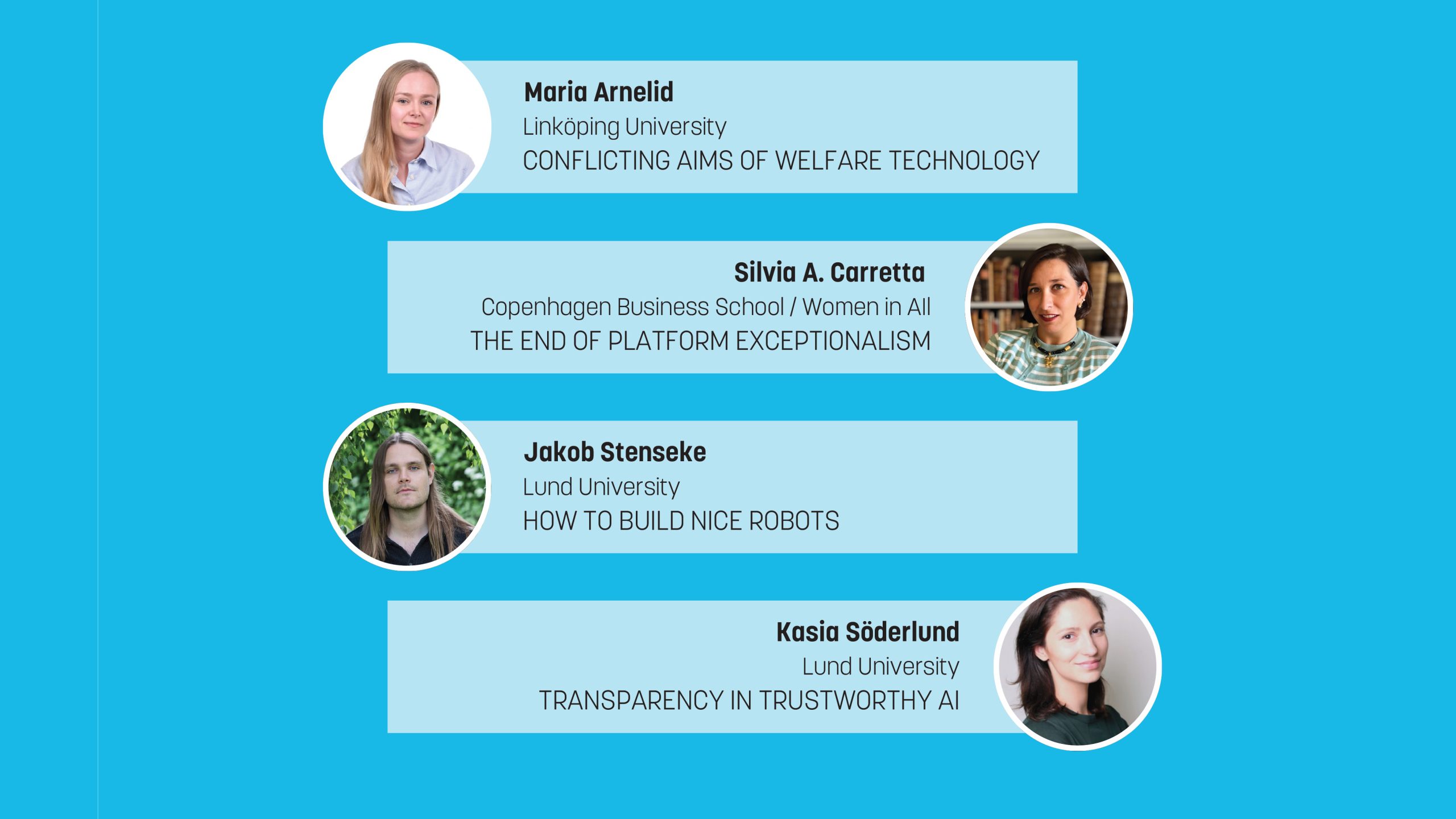
Welcome to second webinar in the AI and Society: Fresh Perspectives form PhD Graduates series! Join us as newly minted PhD students from WASP-HS Graduate School discuss their insights into […]
Please note that this event is independently organized by a WASP-HS researcher and not the WASP-HS Program Office. Can AI models be lawfully and ethically trained on copyrighted and cultural […]
We welcome all WASP-HS researhers to exchange knowledge about political aspects of algorithms together with Oliver Marsh from Algorithm Watch, Berlin. The goal of the one hour workshop is to […]
Alicja Ostrowska defends her PhD thesis, “Life and AI at NASA: An Ethnography of How Scientists and Engineers Make Tools to Explore Other Worlds” on 30 January at Chalmers University of […]

The WASP-HS Winter Conference 2026 will be in LUX, the Joint Faculties for Humanities and Theology, at Lund University 4-6 February. It will be filled with workshops, poster presentations, and […]
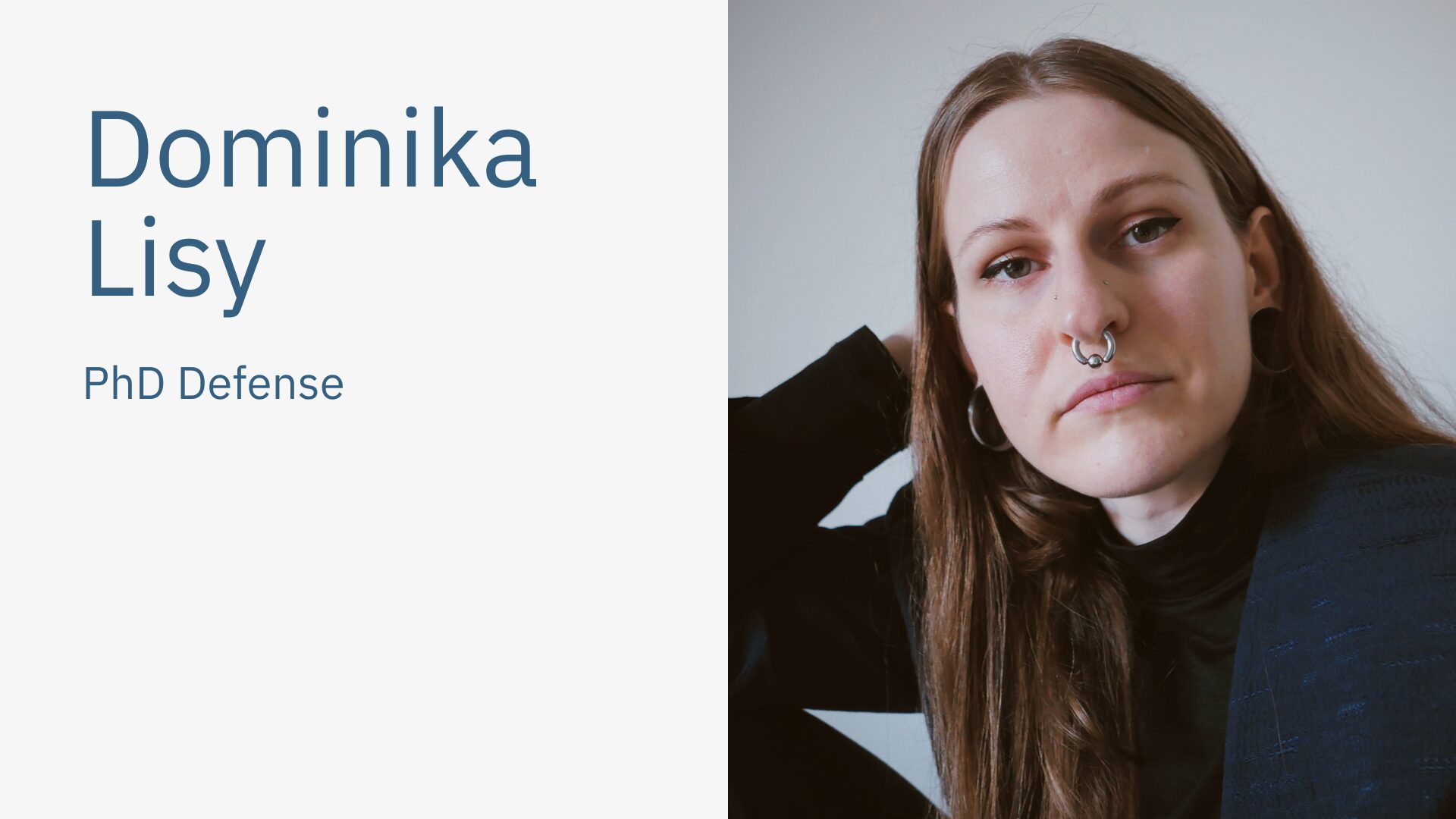
On 6 March 2026, Dominika Lisy defends her doctoral thesis, “Figuring the Boundary between Human and Robot: A Feminist New Materialist Perspective on Dermally Layered Relationality”, at Linköping University. See event […]
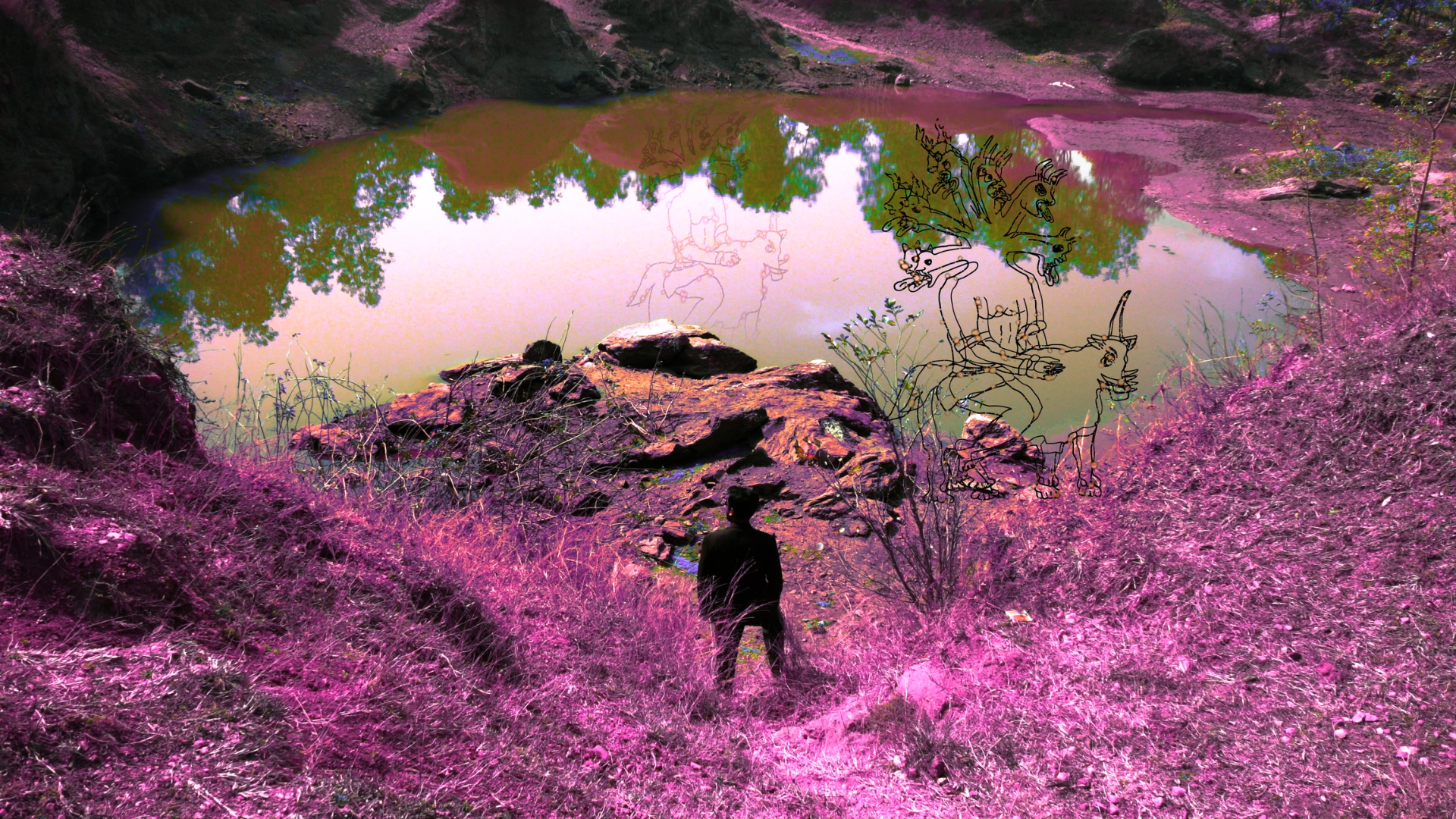
Who holds the power when AI enters our lives? AI and the Paradox of Agency is curated by Sarah Cook, WASP-HS Guest Professor, and Museum Director Katarina Pierre, and features new […]
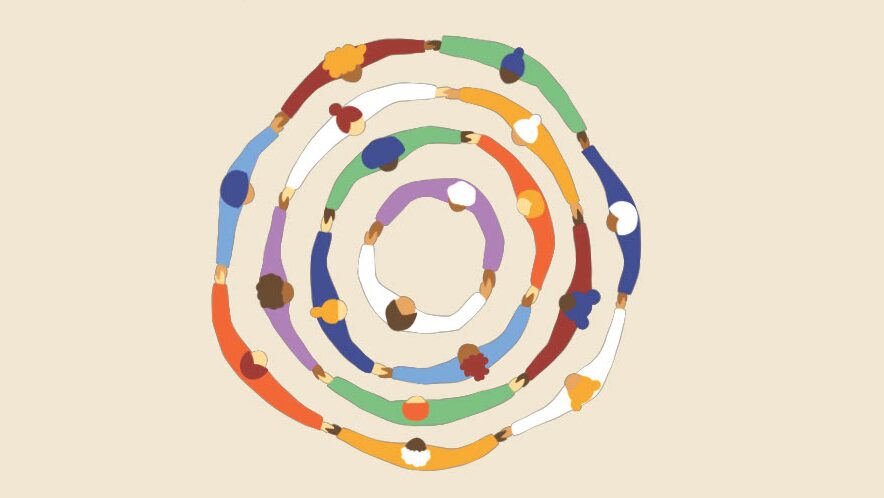
The workshop series "Girls just want to have Sc(AI)ence" aims to foster knowledge and discussions on critical and feminist approaches to technology by engaging scholars working with AI from a variety of disciplines -from data science to art, political studies and philosophy, and invite them to reflect and imagine together how to use tools and theories from critical and feminist studies to implement more thcial, sustainable and inclusive technology-related practices and research.

Who is speaking? The conference is on AI in art and cutlure including generated voices to data-driven cultural heritage. The full day conference program is ended with an evening program filled with artistic music performances involving AI.

Uniting Sweden’s life science, machine learning and artificial intelligence communities, we welcome researchers from all disciplines to explore new research opportunities in a changing world.